
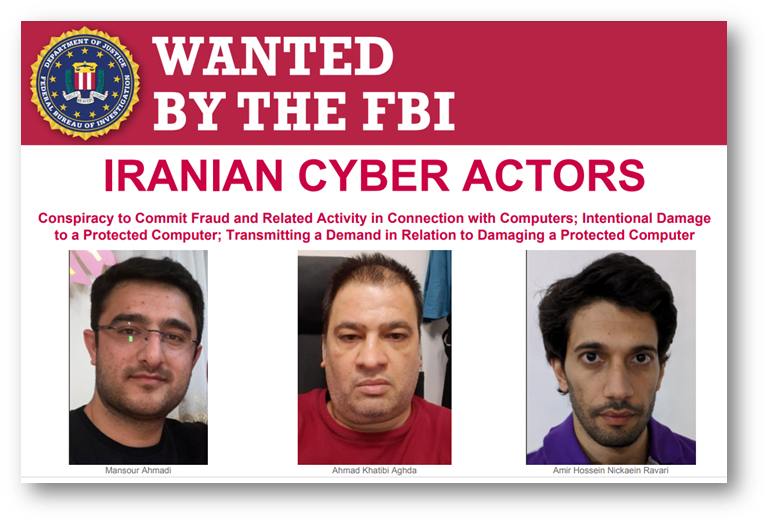
Iranian Cyber Actors Target Critical Infrastructure Networks
Iranian Cyber Actors pose a significant threat to the security of critical infrastructure networks worldwide. Recently, the National Security Agency (NSA), in collaboration with the FBI and Cybersecurity and Infrastructure Security Agency (CISA), released a Cybersecurity Advisory to warn organizations about the malicious activities orchestrated by these cyber actors. Their tactics include employing brute force attacks that compromise user accounts and enable unauthorized access to sensitive systems. This alarming trend underscores the need for strong credential access protections and emphasizes the importance of fortifying defenses against such attacks. By understanding the methods of Iranian Cyber Actors, organizations can better safeguard themselves against future cyber threats.
Cyber operatives from Iran, often referred to as pivotal adversaries in the realm of cyber warfare, have been increasingly active in targeting global infrastructures. These digital aggressors leverage advanced techniques to infiltrate networks, leading to severe breaches in security protocols. Particularly, the surge in brute force attacks highlights their aggressive strategies to gain unauthorized entry into systems, where they subsequently manipulate critical services and steal sensitive information. The need for comprehensive measures to enhance critical infrastructure security has never been more pressing, as malicious cyber activities proliferate. With growing stakes in maintaining operational integrity, understanding this evolving threat landscape is crucial for organizations globally.
Understanding the Threat: Iranian Cyber Actors and Their Tactics
Iranian cyber actors have demonstrated a sophisticated understanding of exploiting vulnerabilities within critical infrastructure networks. Utilizing tactics such as brute force attacks, these actors target user accounts to gain unauthorized access to sensitive systems. This strategy not only facilitates credential access but also enables them to alter security measures like multi-factor authentication (MFA), thereby ensuring continued access. Their persistence in compromising organizations highlights the dire need for robust cybersecurity measures that can withstand such intrusions.
In light of recent advisories from the National Security Agency (NSA) and the Cybersecurity and Infrastructure Security Agency (CISA), organizations must remain vigilant. The reported methods of Iranian cyber actors underscore the importance of being proactive rather than reactive in the field of cybersecurity. Effective measures, such as thorough penetration testing and monitoring for unusual network activity, can help safeguard against these malicious cyber activities that threaten critical infrastructure.
Mitigating Risks: Best Practices for Critical Infrastructure Security
To combat breaches initiated by Iranian cyber actors, organizations must adopt a multilayered approach to cybersecurity. The implementation of strong password policies, including complex passwords and regular updates, is essential in minimizing susceptibility to brute force attacks. Additionally, organizations should embrace phishing-resistant multi-factor authentication (MFA) options to bolster their defenses against unauthorized access. These practices, along with comprehensive cybersecurity training for employees, can significantly reduce the risk of credential access.
Regular reviews of MFA settings, authentication logs, and user access privileges should be integral components of a security strategy. Automated tools that can track login failures and alert administrators to suspicious activities will assist in identifying potential breaches before they escalate. Through a combination of education, technology, and best practices, critical infrastructure organizations can enhance their resilience against Iranian cyber actors and similar threats.
Collaborative Defense: Agencies Unite Against Cyber Threats
The collaborative efforts of agencies like the NSA, FBI, and CISA reflect a united front against the escalating tactics employed by Iranian cyber actors. This partnership ensures that knowledge and resources are shared among cybersecurity professionals worldwide, enhancing the overall defense landscape. The comprehensive Cybersecurity Advisory issued outlines not only the threats but also the actionable insights that can be implemented to fortify defenses against these persistent threats.
By working together, these agencies are also able to identify trends in malicious cyber activities, analyze their impact on various sectors, and develop targeted recommendations. The involvement of international partners, such as the Communications Security Establishment Canada and the Australian Cyber Security Centre, emphasizes the global nature of cyber threats and the necessity for collaborative responses in protecting critical infrastructure across borders.
Detecting Cyber Threats: Recognizing Signs of Breach
Detecting the early signs of a cyber breach is crucial for organizations, particularly those within critical infrastructure sectors targeted by Iranian cyber actors. Tha approach recommended by the Cybersecurity Advisory stresses the importance of monitoring authentication logs for signs of failed login attempts, which may indicate ongoing brute force attacks. Being alert to these indicators allows organizations to respond swiftly and effectively to potential breaches.
Additionally, tracking the frequency and nature of authentication failures can reveal patterns that contribute to identifying compromised accounts. By employing threat intelligence solutions that analyze these patterns, organizations can improve their overall situational awareness and gain insights into how to better protect themselves from credential access challenges posed by malicious actors.
The Role of Cybersecurity Training for Employees
One of the cornerstones of effective cybersecurity measures is the continuous training of employees. Iranian cyber actors often exploit human vulnerabilities through social engineering and phishing tactics, making education vital in fortifying defenses against credential access. Providing regular training sessions helps to ensure that employees are aware of current threats and understand the best practices for maintaining security in their daily activities.
Empowered employees can act as the first line of defense against cyber threats, recognizing potential red flags and understanding how to respond to suspicious activities. Programs that simulate cyber attacks can also help instill a practical understanding of how to protect sensitive information and systems, ultimately reducing the risk of successful malicious cyber activities.
Implementing Robust Password Management Policies
Robust password management is critical in mitigating the risks associated with brute force attacks carried out by Iranian cyber actors. Organizations are encouraged to establish stringent password policies that enforce complexity, length, and regular updates. Educating employees about the significance of unique passwords for different accounts can further diminish the likelihood of credential theft.
Moreover, utilizing password management tools can assist users in maintaining strong, unique passwords while simplifying the login process. By reducing the reliance on easily guessable passwords, organizations create an added obstacle for cybercriminals attempting to gain unauthorized access to their critical infrastructure networks.
Regular Security Audits: A Necessity for Cyber Resilience
Conducting regular security audits is a pivotal practice in maintaining cybersecurity posture, particularly against threats posed by Iranian cyber actors. These audits provide organizations with an opportunity to identify vulnerabilities within their systems and processes before they’re exploited by malicious entities. Companies that prioritize consistent reviews and updates of their security measures can significantly lower their exposure to potential breaches.
Security audits should encompass not only the technological side, including applications and network infrastructures but also the human element. Evaluating employee adherence to cybersecurity policies and the effectiveness of training programs can reveal areas that require enhancement. Ultimately, a comprehensive and proactive security audit strategy is essential for safeguarding against credential access and other cyber threats.
The Importance of Incident Response Planning
Having a robust incident response plan is crucial for organizations, especially those involved in critical infrastructure, to effectively counteract cyber threats from Iranian actors. An effective plan involves identifying the roles and responsibilities of team members during a cyber incident, developing communication protocols, and outlining clear procedures for containment, investigation, and recovery. This preparation can dramatically reduce the impact of a cyber breach.
Moreover, organizations should regularly rehearse their incident response plans through tabletop exercises or simulations. These trainings help ensure that all team members are familiar with the process and can act swiftly during an actual incident. Being prepared not only aids in better handling the immediate aftermath of a breach but also aids in reducing recovery time, ultimately minimizing damage to infrastructure and reputation.
Future-Proofing Cybersecurity Investments
To stay one step ahead of Iranian cyber actors, organizations must commit to ongoing investment in cybersecurity technologies and strategies. This entails not only upgrading existing infrastructure but also adopting new technologies that enhance threat detection and response capabilities. For instance, adopting AI-driven security solutions can help identify unusual user behavior and respond to potential threats in real-time.
Investing in cybersecurity is not merely a defensive action; it is crucial for ensuring operational continuity in critical industries. By recognizing cybersecurity as a priority and maintaining budget allocations for security enhancements and training, organizations can build a resilient framework capable of withstanding evolving cyber threats and ensuring the protection of sensitive information and systems.
Frequently Asked Questions
What are the main malicious activities conducted by Iranian cyber actors targeting critical infrastructure?
Iranian cyber actors engage in a variety of malicious cyber activities, including brute force attacks and credential access methods aimed at compromising critical infrastructure organizations. These tactics allow them to gain unauthorized access to sensitive systems, particularly in sectors like healthcare, government, and energy.
How do Iranian cyber actors utilize brute force attacks in cybersecurity threats?
Iranian cyber actors employ brute force attacks to breach user accounts by systematically guessing passwords. This approach can lead to compromised credentials, allowing these actors to alter multi-factor authentication (MFA) settings to maintain persistent access to critical infrastructure networks.
What steps can organizations take to defend against Iranian cyber actors’ credential access techniques?
To defend against credential access techniques utilized by Iranian cyber actors, organizations should implement phishing-resistant multi-factor authentication (MFA), regularly review MFA settings, conduct user cybersecurity training, and enforce robust password policies that meet minimum strength criteria.
What is the significance of the Cybersecurity Advisory issued regarding Iranian cyber actors?
The Cybersecurity Advisory highlights the ongoing threat from Iranian cyber actors and provides detailed insights into their malicious tactics, including indicators of compromise. It offers recommendations for organizations to bolster their defenses against these threats, ensuring protections are in place for critical infrastructure.
What role does the NSA play in addressing threats from Iranian cyber actors?
The NSA collaborates with the FBI, CISA, and various international agencies to identify and mitigate threats posed by Iranian cyber actors. Their efforts include issuing advisories that inform organizations about current tactics used by these actors and recommend countermeasures to enhance cybersecurity defenses.
How can organizations recognize signs of brute force attacks from Iranian cyber actors?
Organizations can recognize brute force attacks by monitoring authentication logs for unusual patterns, such as multiple failed login attempts associated with legitimate accounts and password spraying attempts across various accounts. Regular log inspections are crucial in identifying such malicious activities.
What sectors are primarily targeted by Iranian cyber actors as part of their critical infrastructure attacks?
Iranian cyber actors primarily target critical infrastructure sectors, including healthcare, government, information technology, engineering, and energy. These sectors are often seen as high-value targets for their vital services and sensitive information.
What measures are recommended in the advisory to protect against Iranian cyber actors?
The advisory recommends implementing phishing-resistant multi-factor authentication (MFA), continuous auditing of MFA settings, cybersecurity training for users, and robust password policies to effectively protect systems from Iranian cyber actors’ credential access attempts.
| Section | פרטים |
|---|---|
| Collaboration | NSA, FBI, CISA and other entities issue a Cybersecurity Advisory. |
| Initiatives | Advisory titled “Iranian Cyber Actors’ Brute Force and Credential Access Activity Compromises Critical Infrastructure Organizations.” |
| Targets | Critical infrastructure sectors including healthcare, government, IT, engineering, and energy. |
| Methods Used | Brute force attacks to breach user accounts, alter MFA registrations. |
| Recommendations | Implement phishing-resistant MFA, review MFA settings, provide cybersecurity training, ensure strong password policies. |
| Key Quote | “Our agencies are providing in-depth insights into this cyber malfeasance…” – Dave Luber, NSA Cybersecurity Director. |
Summary
Iranian Cyber Actors have increasingly targeted critical infrastructure networks through sophisticated cyber tactics and brute force methods. The collaboration between key U.S. cybersecurity agencies highlights the urgency of implementing robust defenses against such threats. By leveraging recommendations from governmental agencies such as the NSA, organizations can improve their defenses, safeguard sensitive data, and protect against persistent access from malicious actors.


 HE
HE  EN
EN  AR
AR  RU
RU  PT
PT  ES
ES